Living with a chronic condition—or supporting someone who does—requires more than medical treatment. Research consistently shows that social support is one of the strongest predictors of health outcomes. A strong network can reduce caregiver burnout, improve medication adherence, and help everyone involved feel less alone.
What Is a Care Support Network?
A care support network is the group of people and resources that help a patient manage their health and daily life. It includes:
- Family and close friends who provide emotional and practical support
- Healthcare providers (PCP, specialists, nurses, therapists)
- Care coordinators who bridge gaps between providers and home life
- Community resources (transportation, meal programs, support groups)
- Peer support from others living with the same condition
No single person can provide everything. Distributing responsibilities across a network reduces burden and improves resilience.
Starting the Conversation
Many people resist asking for help. If you're a caregiver or patient building a network, these conversations are essential:
For Patients
Be specific about what you need. Instead of "I could use some help," try:
- "Could you drive me to my appointments on Tuesdays?"
- "Would you be available to pick up my prescriptions once a month?"
- "I'd love to have someone to talk to when things feel overwhelming."
Specific asks are easier to say yes to—and easier to fulfill.
For Caregivers
Caregiver burnout is real. Recognize the signs:
- Feeling exhausted, overwhelmed, or resentful
- Withdrawing from your own social connections
- Neglecting your own health and appointments
- Difficulty concentrating or sleeping
Accepting help for yourself is not selfish—it's necessary for sustainable care.
Roles Within a Care Network
Different people can take on different roles depending on their strengths and availability:
| Role | Examples |
|---|---|
| Medical liaison | Attends appointments, takes notes, communicates with providers |
| Logistics coordinator | Manages transportation, pharmacy pickups, meal delivery |
| Emotional supporter | Provides companionship, listens, helps process difficult news |
| Information researcher | Looks up treatment options, support groups, community resources |
| Financial helper | Assists with insurance paperwork, benefits navigation |
Leveraging Community Resources
Many communities offer free or low-cost support for chronic care patients:
- Area Agency on Aging — connects older adults with local services
- Disease-specific nonprofits — many offer free care navigation, peer support, and financial assistance
- Faith communities — often have organized volunteer programs for transportation and meals
- 211 helpline — connects people with local social services
- Virtual support groups — platforms like PatientsLikeMe, Inspire, and disease-specific Facebook groups
Communicating with Your Care Team
Your clinical care team is a critical part of your network. To get the most from those relationships:
- Keep a symptom journal — track changes, triggers, and patterns to share at appointments
- Bring a support person — a second set of ears catches details you might miss
- Ask about care coordinators — many health systems offer free coordination services
- Request a care plan in writing — understand what to do between appointments
Managing Caregiver-Patient Dynamics
When the caregiver and patient are family members, the relationship can become strained. A few practices that help:
- Maintain separate identities — the patient is still a full person, not a care recipient
- Check assumptions — ask what kind of support is wanted, don't just provide what you think is needed
- Schedule regular check-ins — brief, honest conversations prevent resentment from building
- Work with a social worker or therapist — many oncology and chronic disease programs include this support
How Bndl Care Fits In
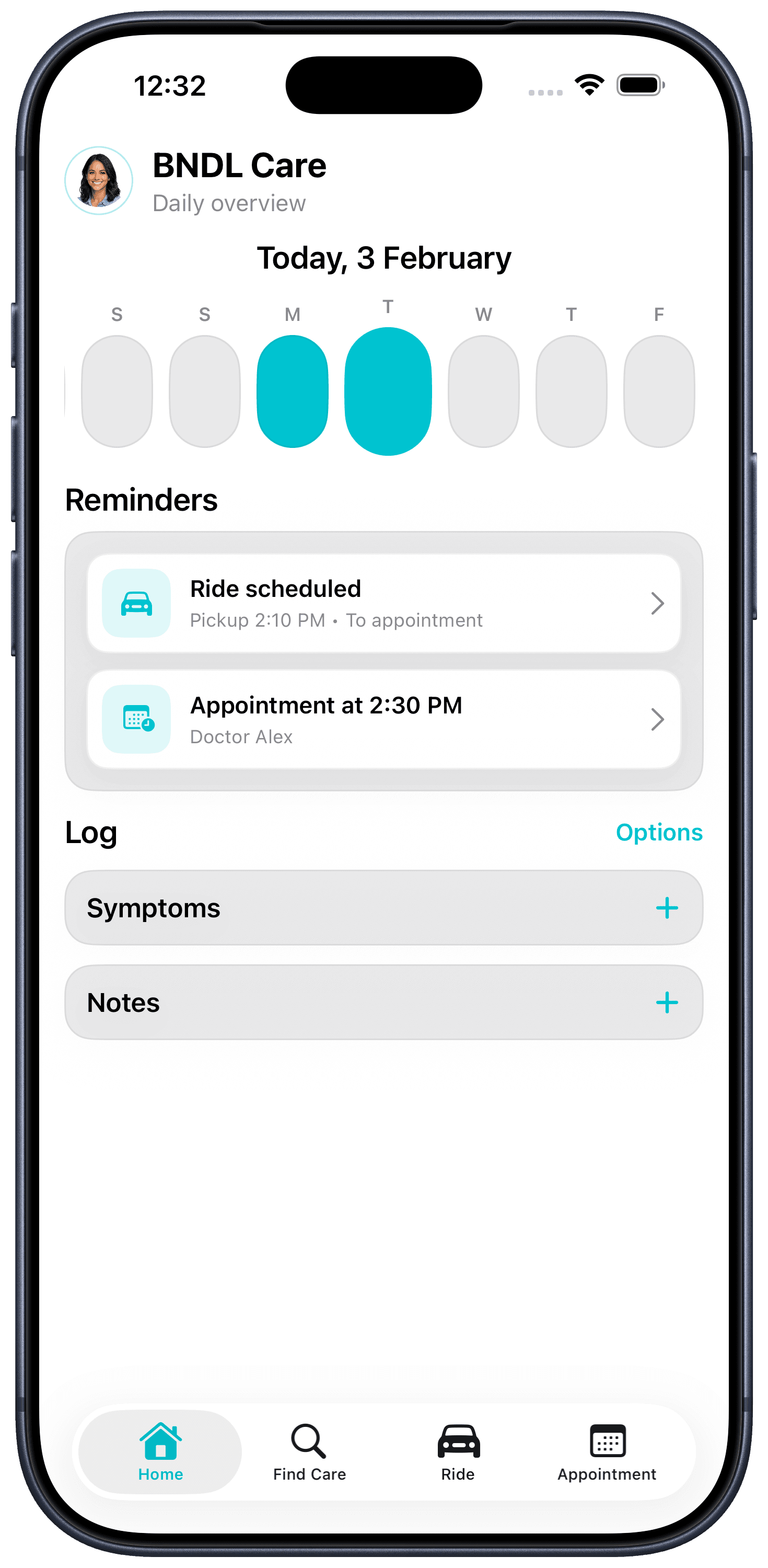
Bndl Care acts as a central coordination hub for your care network. Our care coordinators:
- Help identify gaps in your support network
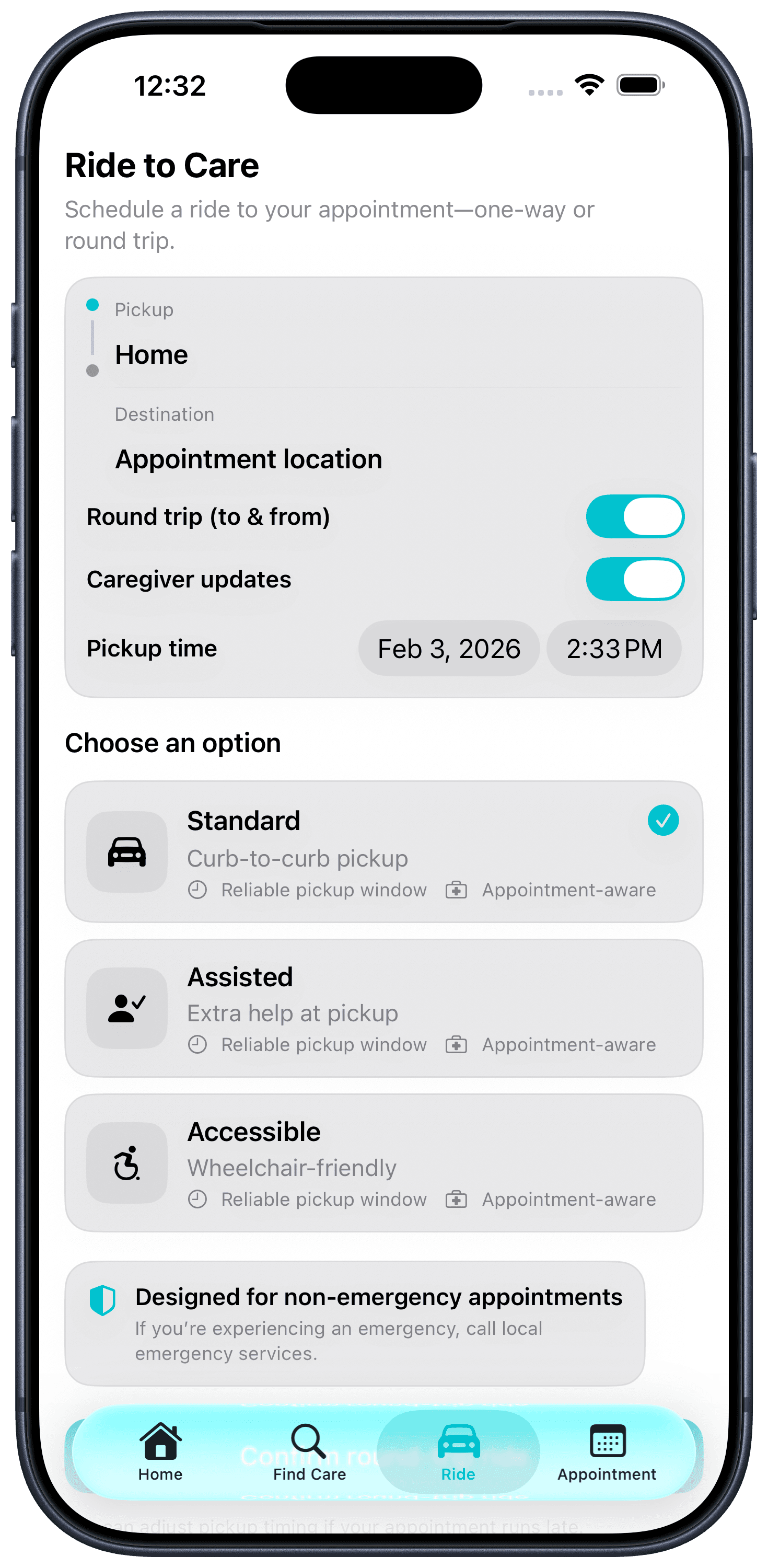
- Connect you with community resources and transportation
- Keep your medical team, family, and care coordinator aligned
- Reduce the administrative burden of managing a complex care situation
Whether you're managing a new diagnosis or supporting a loved one through a long-term condition, you don't have to figure it out alone.
Ready to build a stronger care network? Request a demo to see how Bndl Care coordinates care across your entire team.