Every missed appointment represents more than an empty time slot.
It represents delayed care, disrupted schedules, and additional administrative work for everyone involved. Healthcare systems invest heavily in clinical excellence, yet many workflows around appointment management remain fragmented. The result is operational strain for providers and friction for patients.
The No-Show Problem
In the United States, missed medical appointments cost the healthcare system an estimated $150 billion annually — and that figure does not account for the downstream health consequences of delayed care.
Behind each no-show are real, addressable causes:
| Cause | How Often It's a Factor |
|---|---|
| Confusion about appointment details | Very common |
| Transportation challenges | Common |
| Forgetfulness or competing priorities | Common |
| Difficulty rescheduling | Frequent |
| Communication gaps with the clinic | Frequent |
Most of these causes are preventable with better coordination — not more phone calls.
The Administrative Burden
Clinic teams already manage a heavy workload:
- Scheduling and rescheduling across multiple systems
- Manual confirmation calls that take staff time
- Tracking patient follow-ups with no centralized view
- Filling last-minute cancellations under time pressure
- Responding to messages from multiple channels
This repetitive administrative work contributes to burnout and reduces time available for higher-value patient engagement. When staff are occupied with manual coordination, patient communication suffers.
What Modern Appointment Management Should Include
For Patients
A well-designed system should let patients:
- Schedule directly — no phone call required to book a routine visit
- Reschedule or cancel easily — with a clear self-serve flow, not a voicemail
- Receive smart reminders — timed appropriately, not just 24 hours in advance
- See clear appointment details — provider name, location, what to bring
- Communicate securely — without relying on email or unsecured messages
For Providers
The same system should:
- Reduce manual coordination by automating routine confirmations
- Surface scheduling gaps in real time so staff can fill them proactively
- Enable structured follow-up messaging without switching tools
- Give visibility into patient communication history in one place
Turning No-Shows into Opportunities
When a cancellation or no-show occurs, that slot does not have to be wasted.
A standby booking system can automatically surface the open time to patients who need earlier appointments — converting a loss into an opportunity. This improves:
- Clinic utilization — slots fill instead of sitting empty
- Patient access — someone who needed care sooner gets it
- Staff efficiency — the system handles the outreach, not a coordinator manually calling down a waitlist
What Patients Actually Value
Patients rarely complain about being reminded. They complain about:
- Unclear information — not knowing what to bring or where to go
- Inconvenient rescheduling — having to call during business hours to move an appointment
- Lack of communication — not hearing anything until the day of the visit
When appointment management is integrated into a broader care journey, patients feel supported rather than processed. That sense of engagement makes follow-through more likely.
How Bndl Care Helps
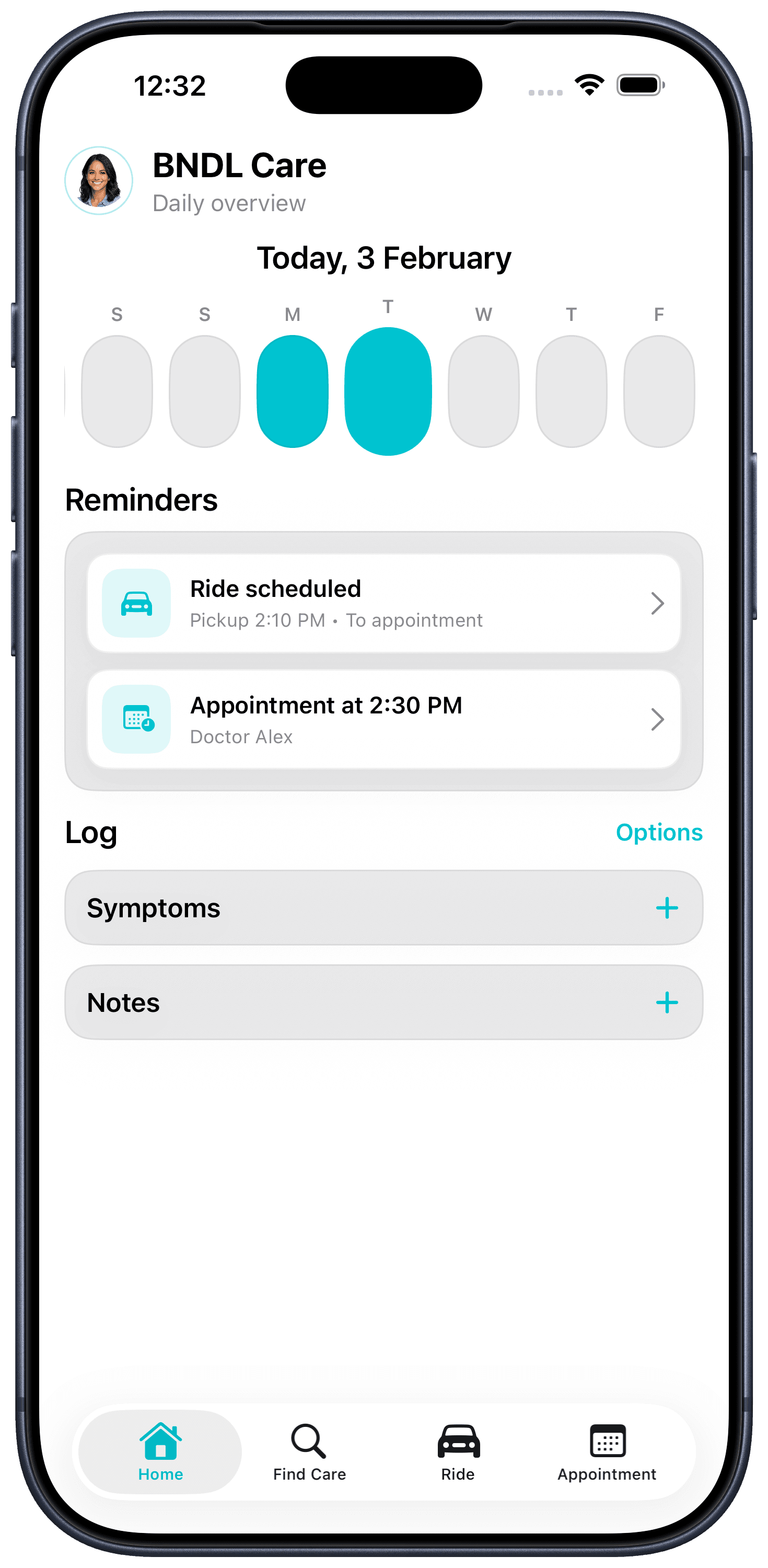
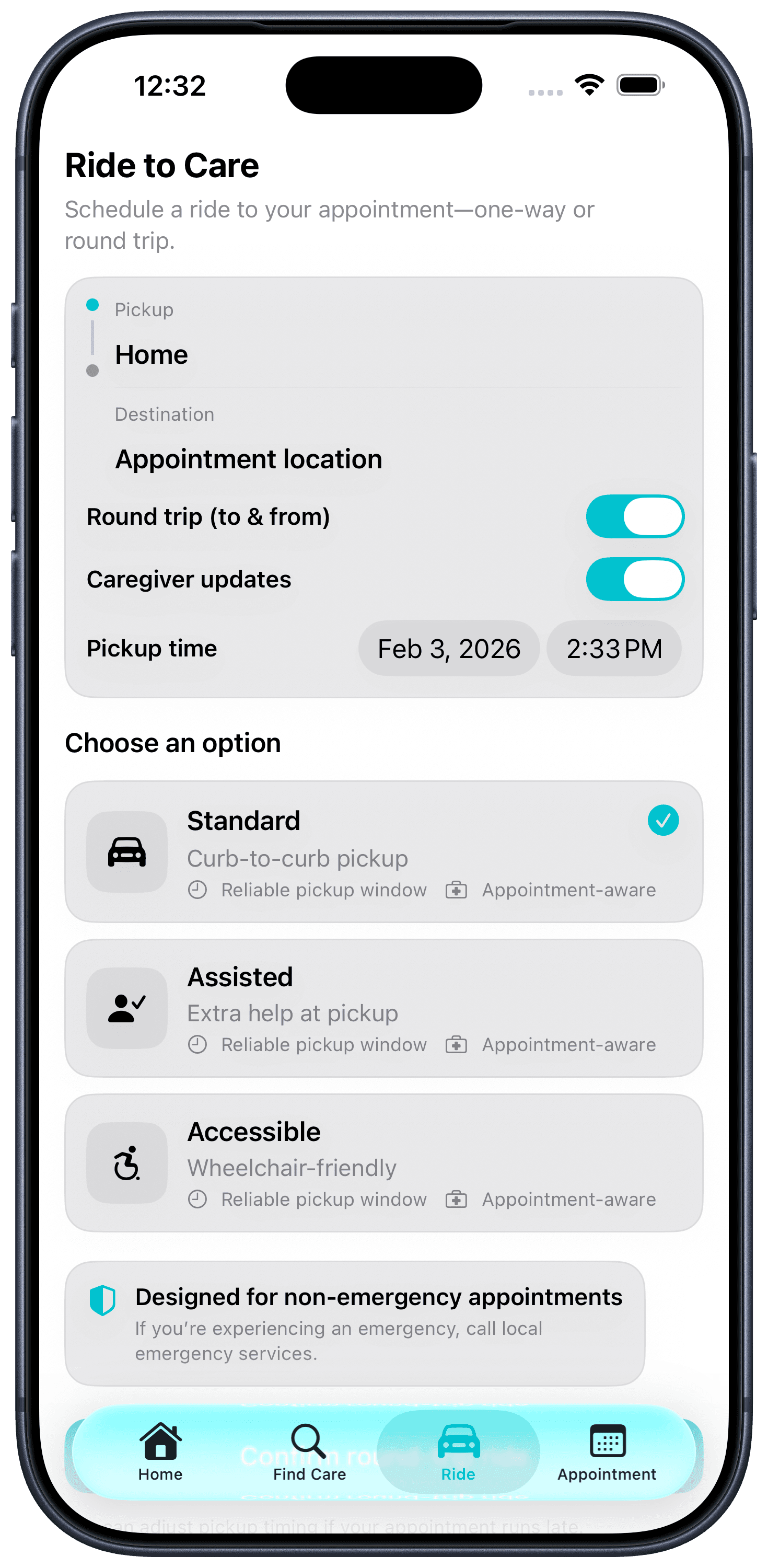
Bndl Care enables patients to schedule, reschedule, or cancel appointments within a guided care journey. Smart reminders and structured messaging support better communication, while standby booking features reduce unused capacity. By simplifying coordination on both sides, Bndl Care supports patient experience and provider efficiency at the same time.
Want to learn how Bndl Care reduces administrative burden for care teams? Request a demo or reach out at contact@bndlcare.com.