Healthcare should not feel like solving a puzzle without the picture on the box.
Yet for many patients, finding the right care means juggling multiple websites, calling clinics, checking insurance directories, and trying to interpret medical terminology — all while not feeling well. For providers and health systems, this fragmentation often leads to delays, misrouted appointments, and unnecessary administrative strain.
Healthcare navigation is complex because the system itself is complex. But complexity does not have to mean confusion.
Why Finding Care Is So Difficult
When patients begin their search for care, they often face several barriers at once:
- Not knowing what type of provider they need
- Uncertainty about whether a referral is required
- Confusion around insurance coverage
- Limited visibility into appointment availability
- Difficulty comparing providers in a meaningful way
In most cases, the patient must translate symptoms into specialties, then cross-reference insurance networks, then confirm availability — often across disconnected platforms.
From a provider perspective, this creates its own set of problems:
- Incorrect appointment types that waste clinical time
- Patients arriving without required documentation
- Delays in referrals or follow-ups
- Administrative overload from repeated clarification calls
The system is reactive. Patients search, guess, call, wait, and try again.
The Gap Between Today and What Should Exist
| Today's Experience | What It Should Look Like |
|---|---|
| Search symptoms on a search engine | Search by symptom directly in a care platform |
| Call multiple clinics to check availability | See next available appointments in real time |
| Cross-reference insurance directories separately | Filter providers by your plan in the same view |
| Ask around about provider quality | Read integrated reviews from verified patients |
| Receive a referral with no next steps | Follow a guided flow from referral to scheduled visit |
This gap is not inevitable. It is the result of systems that were built for providers, not patients.
What Good Navigation Looks Like
An effective navigation experience guides patients step by step. Instead of presenting an open search field, it asks:
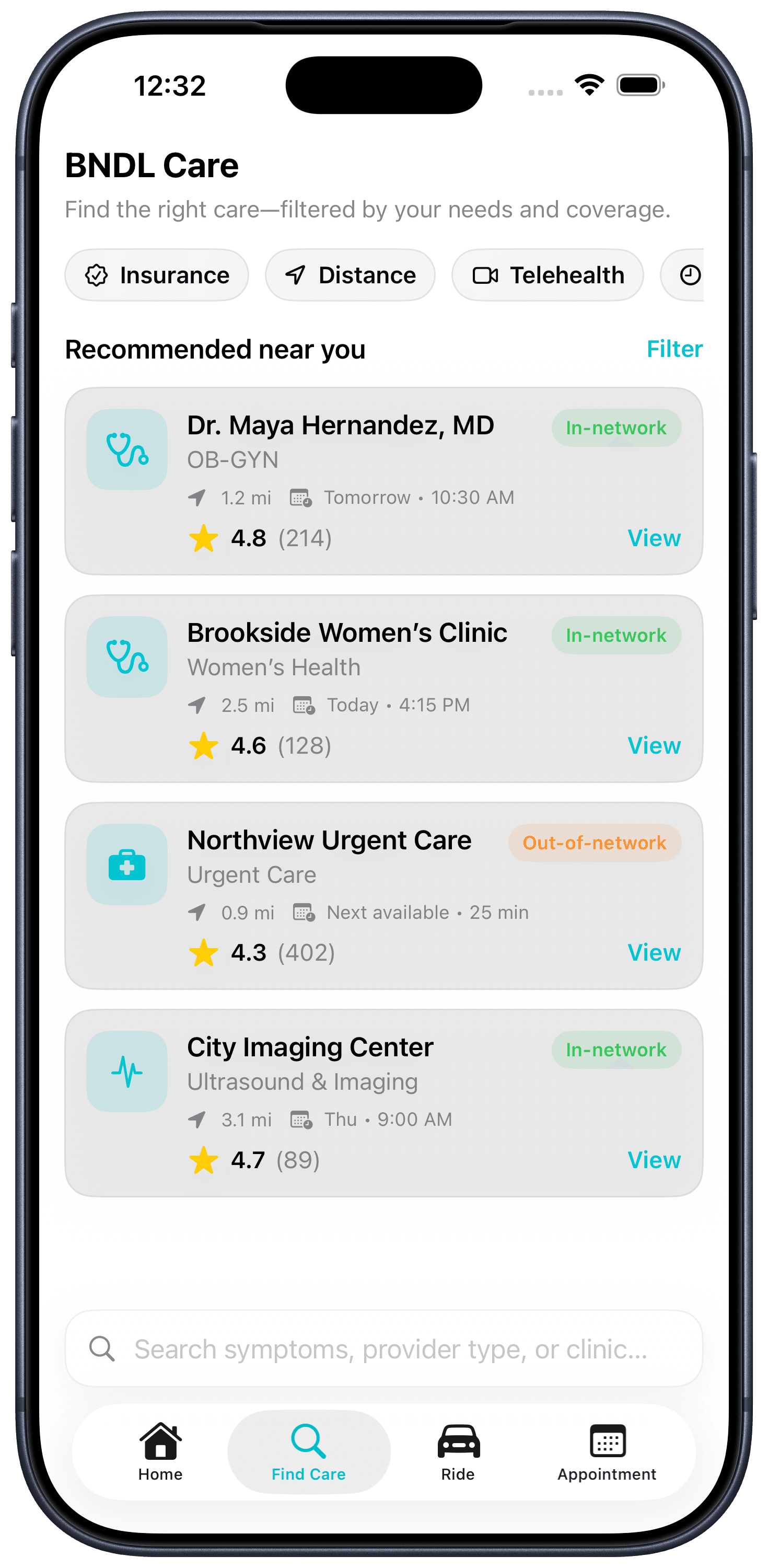
- What do you need help with? — Choose from structured categories: new concern, referral, follow-up, billing question.
- What type of care? — Telehealth or in-person, urgent or routine.
- Who is in your network? — Filter by insurance coverage automatically.
- Who has availability? — Show next open appointments, not just general schedules.
- What do others say? — Surface patient reviews within the same experience.
This structured flow reduces cognitive load and routing errors for both patients and clinics.
Risk-Aware Guidance Matters
Healthcare navigation is not just about convenience — it is about safety.
Patients often struggle to determine urgency. A thoughtful navigation system incorporates risk awareness that routes patients appropriately, helping them:
- Identify when care is time-sensitive
- Seek urgent care within an appropriate window
- Schedule routine follow-up when risk is low
A patient who finds the right level of care at the right time is less likely to end up in the emergency room. Structured routing reduces inappropriate bookings and ensures that clinical capacity goes where it is needed most.
For clinicians, this means fewer mismatched appointments and better-prepared patients.
A System Designed for Action
Navigation should not end at discovery. Patients should be able to:
- Book appointments directly from search results
- Confirm that their insurance is accepted before they commit
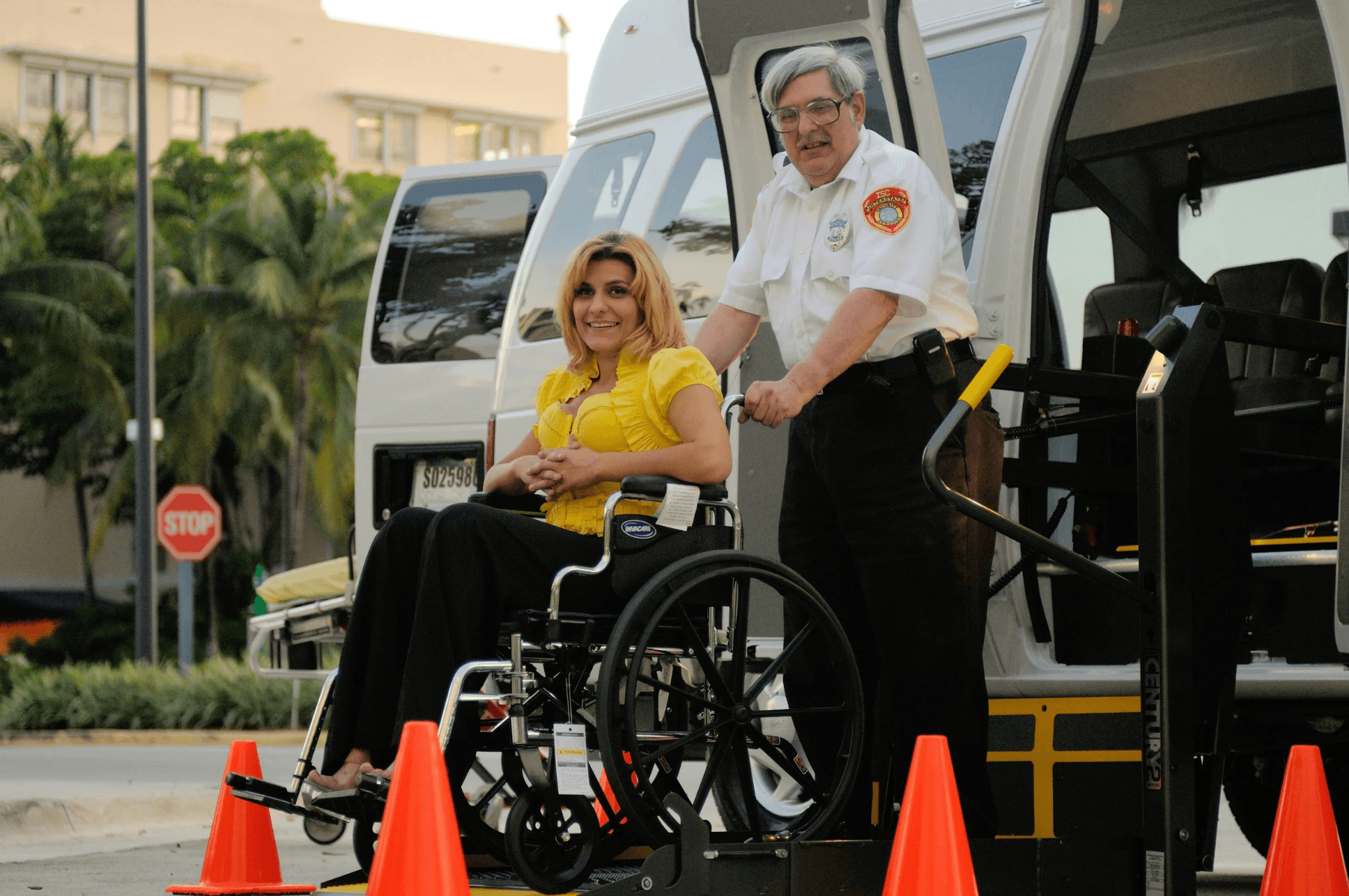
- Move seamlessly into care coordination — transportation, reminders, follow-up tracking
When search, guidance, and scheduling live in separate silos, patients drop off between steps. When they exist in a single flow, completion rates improve and care happens on time.
The Human Impact
Behind every navigation challenge is a real person:
- A caregiver trying to schedule a specialist visit for an aging parent
- A patient unsure whether their symptoms require urgent care or can wait
- A clinic team fielding the same clarification call dozens of times a week
Healthcare navigation is not a convenience feature. It is infrastructure for better outcomes.
How Bndl Care Helps
Bndl Care brings care discovery and guided navigation into one seamless experience. Patients can search by symptom, specialty, insurance, and availability while being guided through a structured care journey designed for clarity and informed decision-making. The result is fewer barriers, better alignment, and a healthcare experience that feels intuitive rather than overwhelming.
Have questions about finding the right care? Contact your Bndl Care coordinator or reach us at contact@bndlcare.com.